
BSE shares are in focus after brokerage firm Prabhudas Lilladher lowered its target price for share to ₹4,025, citing concerns over the impact of the Competition Authority of Singapore (CAS) issue on derivatives trading volumes. The company is heading towards its derivatives business, exchange volumes and its ability to sustain its pace of growth.
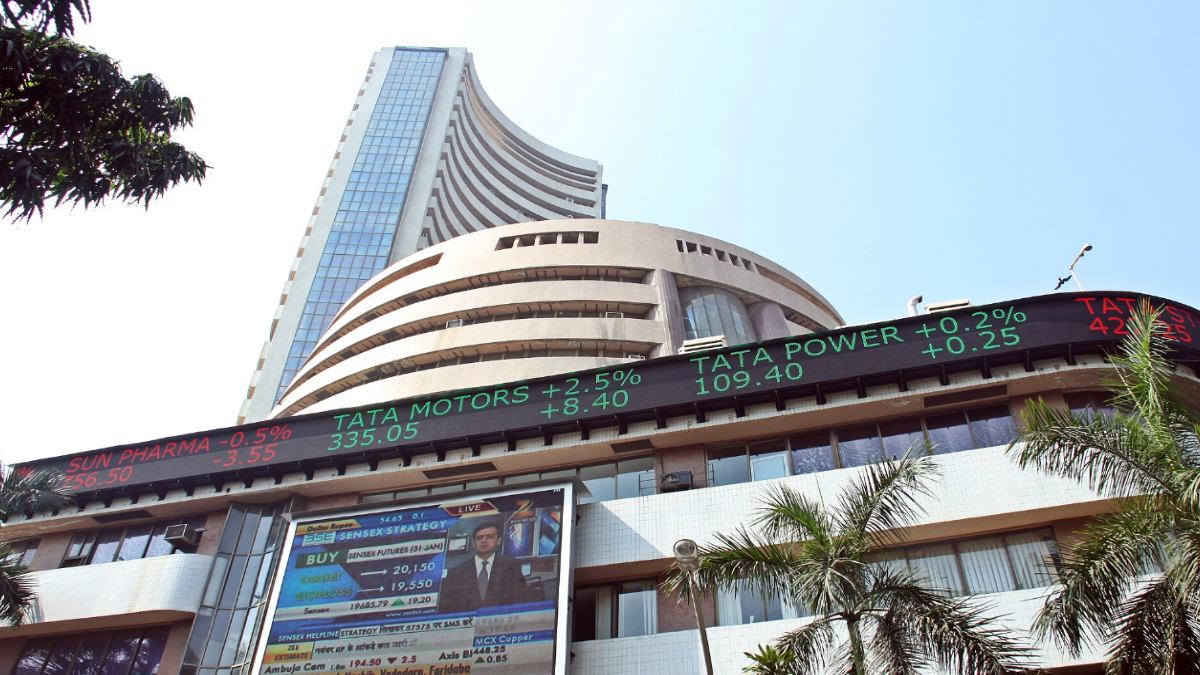
BSE, one of India’s leading stock exchanges, has seen the fast growth of its equity derivatives business. In fact, index derivatives activity has soared in the last few years. But given the competitive environment and regulatory changes of the last few years, what is stopping the volume growth momentum to accelerate?
Prabhudas Lilladher’s revised target price represents a more cautious view of BSE’s near-term prospects. Brokerage target-price revisions are of much interest to investors as they are a measure of how analysts predict a company’s future earnings, valuations and business outlook. A lower target price does not mean that the company’s long-term fundamentals have deteriorated but can sway market sentiment and therefore the stock price of the stock is already up a lot.
The main concern highlighted in the report is the possible impact of CAS on derivatives volumes. Derivatives trading is now one of the key contributors to the growth story of Indian exchanges and BSE has become an active player in this space. Higher trading volumes generally translate into higher transaction-related revenue for exchanges so derivatives are an important part of future revenues.
The slow growth of derivatives volumes could lead to a downturn in BSE’s revenue growth and profitability. Investors are particularly sensitive to changes in trading activity because exchange businesses benefit from operating leverage. Once the technology and infrastructure to support trading is in place, higher volumes can generate additional revenue without a proportionate increase in operating costs.
The brokerage's concerns are in line with the strong performances of BSE in the derivatives market. The exchange has expanded its base of index options and other derivative products and has attracted a growing number of traders. This growth has changed the perception of investors towards BSE and generated a lot of interest in the company's stock.
But a business model that becomes increasingly dependent on derivatives activity can also face greater volatility if market conditions, regulations, pricing structures or competitive dynamics change. That is why analysts are closely examining the sustainability of BSE's derivatives volumes.
The target price of ₹4,025 tells us that Prabhudas Lilladher is more measured about its valuation. Investors will now look forward to the company’s performance in the next few quarters for the results of trading volumes and financial performance for indication of whether derivatives activity is still strong.
Besides trading volume, BSE will see its future performance depend upon innovative and competitive market infrastructure firms. The Indian capital markets are booming and with the increasing number of retail investors, institutional investors and algorithmic traders in the market. Exchanges which are able to offer competitive products, reliable technology and attractive trading structures will be most likely to take advantage of this growth in the long run.
The expansion of India's capital markets across the board is a strong positive factor for BSE. Rising financial awareness and more retail participation and the more and more digital investment platforms are bringing in more people into the market there also. These structural shifts will continue to benefit the exchange business in the long run in such a way for a long time.
But investors should differentiate between short-term volume concerns and the long-term growth prospects of the Indian financial market. A temporary decrease in derivatives activity does not always mean a permanent deterioration in BSE’s business. But the long-term effects of volumes on earnings and valuations may be critical.
The stock valuation will be the key to investors. After a period of strong appreciation, expectations about future growth are going to become more and more important in determining share-price performance. Analysts might make a change of their predictions if trading volumes, market share or revenue growth is not what they are predicting.
The target price was cut to ₹4,025 which is a big deal for BSE shareholders. It indicates that at least one brokerage is more cautious about the near-term impact of derivatives volume pressures. But how the company will respond to the changing market environment and how much it can survive in India's rapidly growing capital markets is only one factor in the future.
In the years to come, BSE's market share, average daily turnover, derivatives participation and transaction revenues will also be closely watched by investors. Strong volumes should ease fears about the impact of current challenges, and slowdowns could lead to a slowdown in earnings expectations.
And so for now, BSE shares are still on the radar of investors. The combination of a brokerage target price cut and derivatives volumes concern is going to keep the market up on every new data point from the exchange. How long the company will be able to grow while overcoming regulatory and competitive challenges will eventually determine the next step in its stock market journey.






Comments
Please to leave a comment on this article.