
The global technology industry is expected to be particularly hard hit in 2026, with more than 175,000 tech staff losing their jobs since January, according to TrueUp. The results are evidence of the continuing transition of the tech sector as companies adjust their workforce strategy as artificial intelligence adoption, automation, cost pressures, and business priorities evolve.
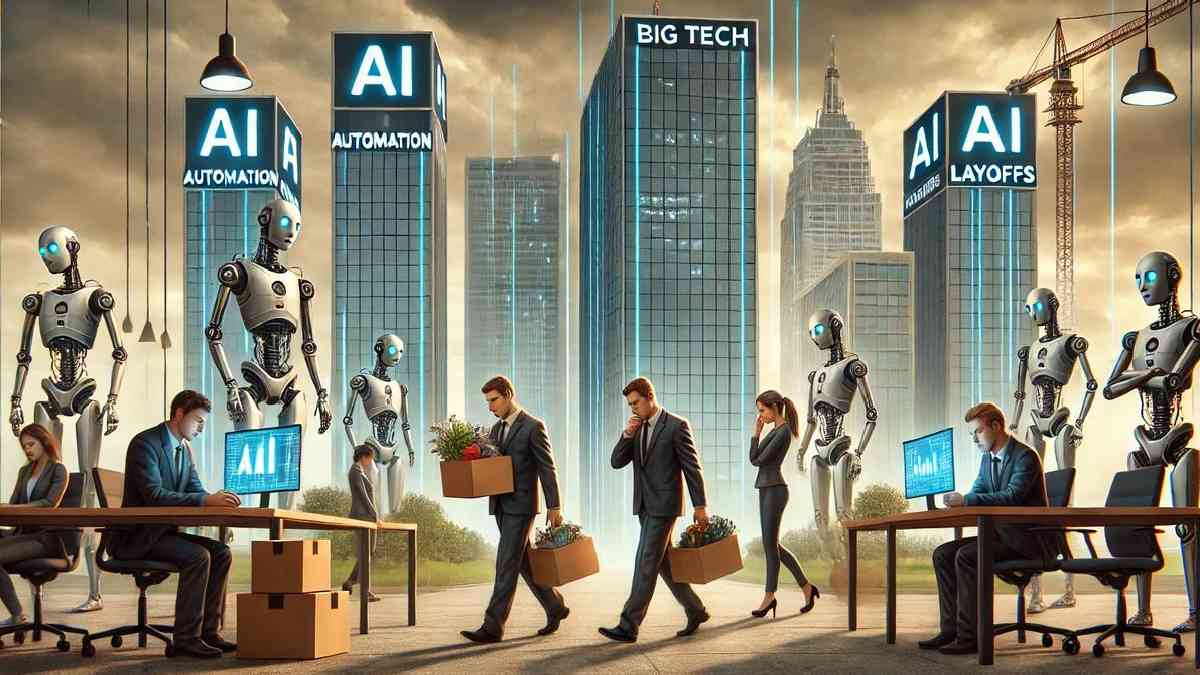
The pace of layoffs is high in August as well, with 2,483 job cuts reported in the month. The cuts have affected companies in technology and also in other sectors and show that workforce restructuring is no longer limited to a specific tech sector.
Among the companies reporting layoffs in August are Zillow, Google, Etsy, Infineon, TikTok, Salesforce, N-able Technologies, Rapid7, LinkedIn, Motive, Apple, Pump. Fun, VideoAmp, Bitwise, Pentera and Vast.
August Layoff List
Several companies announced workforce reductions in August, and reported figures include:
- Zillow: 500 jobs
- Google: 52 jobs
- Etsy: 220 jobs
- Infineon: 98 jobs
- TikTok: 325 jobs across two rounds
- Salesforce: 133 jobs
- N-able Technologies: 120 jobs
- Rapid7: 313 jobs
- LinkedIn: 50 jobs
- Motive: 251 jobs
- Apple: 200 jobs
- Pump.fun: 40 jobs
- VideoAmp: 50 jobs
- Bitwise: 25 jobs
- Pentera: 60 jobs
- Vast: 46 jobs
The numbers show that workforce reductions are reported by businesses of all sizes and business models.
AI And Automation Remake Tech Jobs
Artificial intelligence has become one of the most important forces changing the technology employment landscape.
Companies are investing in AI infrastructure, software, and automation technologies. As businesses adopt these technologies, routine activities will increasingly be automated (e.g., software development, customer support, content moderation and operational tasks).
However, to blame all technology layoffs on AI would be to oversimplify the situation.
Companies have also cited cost-cutting, restructuring, weaker demand, margin pressure and strategic changes as reasons for reducing their workforce. Organizations are trying to cut back on operations and put resources at the forefront of areas they see as more urgent for future growth in many cases.
Layoffs Spread Beyond Traditional Tech
The latest job cuts are not limited to software and internet companies. Workforce reductions have also been reported in industries like real estate, retail, manufacturing, cybersecurity, recruitment, cryptocurrency, aerospace, transportation, marketing and hardware.
This broader pattern suggests that firms in many sectors are reassessing staffing requirements while trying to control costs and improve efficiency.
Technology is still very much a part of this process, to be sure, especially as companies migrate to cloud platforms, AI systems and automated workflows.
Employee Confidence Declines
Loss of staff is also affecting employee sentiment.
According to Glassdoor data cited in the report, technology employee job confidence declined 6.8 percent from the previous year to 47.2 percent. The decline is a reflection of workers’ growing uncertainty about job security and employment prospects.
The rapid development of AI has created opportunities and concerns for technology professionals. AI is creating jobs for a variety of new skills and specialized positions, but workers at more routine jobs are increasingly worried about what automation might do to their jobs.
Cost Pressures Remain Key
The technology sector’s workforce adjustments also play out as a result of wider economic pressures.
Higher operating costs, changing interest rates, inflationary pressures and the need to protect profit margins have led to a review of how companies can structure their workforce in a more comprehensive way.
Much as in earlier years of technology expansion, companies are now hiring at a more robust rate than before; many companies are focusing on leaner teams.
Business goals are to increase productivity while investing in the future; in AI, cybersecurity, cloud computing, and other emerging technologies.
What Layoffs Mean for Tech Workers?
The numbers show that the technology employment market is not in the midst of a short-term wave of layoffs but a structural shift in the short run.
For those in areas where AI, machine learning, cybersecurity, cloud infrastructure, data engineering, and other high-demand work, professionals may still be able to find work there, and the job demand in those jobs will likely be high, with workers who are now working in more automation-intensive settings and who could be more likely to be under pressure to improve their skills.
For companies, the challenge will be to balance efficiency gains with the need to retain skilled employees and develop new capabilities.
Tech Workforce At A Turning Point
And with more than 175,000 technology jobs laid off worldwide in 2026, the scale of workforce restructuring has become more difficult to ignore. August alone has added thousands more job cuts to the list.
AI adoption is expected to remain an important factor in the way companies organize their workforces, but restructuring, financial pressures, and strategic realignment will continue to impact employment decisions too.
The next months will show if layoffs slow as companies undergo restructuring workouts or if more reductions in the workforce can be expected as companies are investing in automation and AI.
The changing environment for technology workers makes continuous skill development even more important. For companies, the problem is to strike the right balance between automation, productivity, innovation, and human talent.






Comments
Please to leave a comment on this article.