
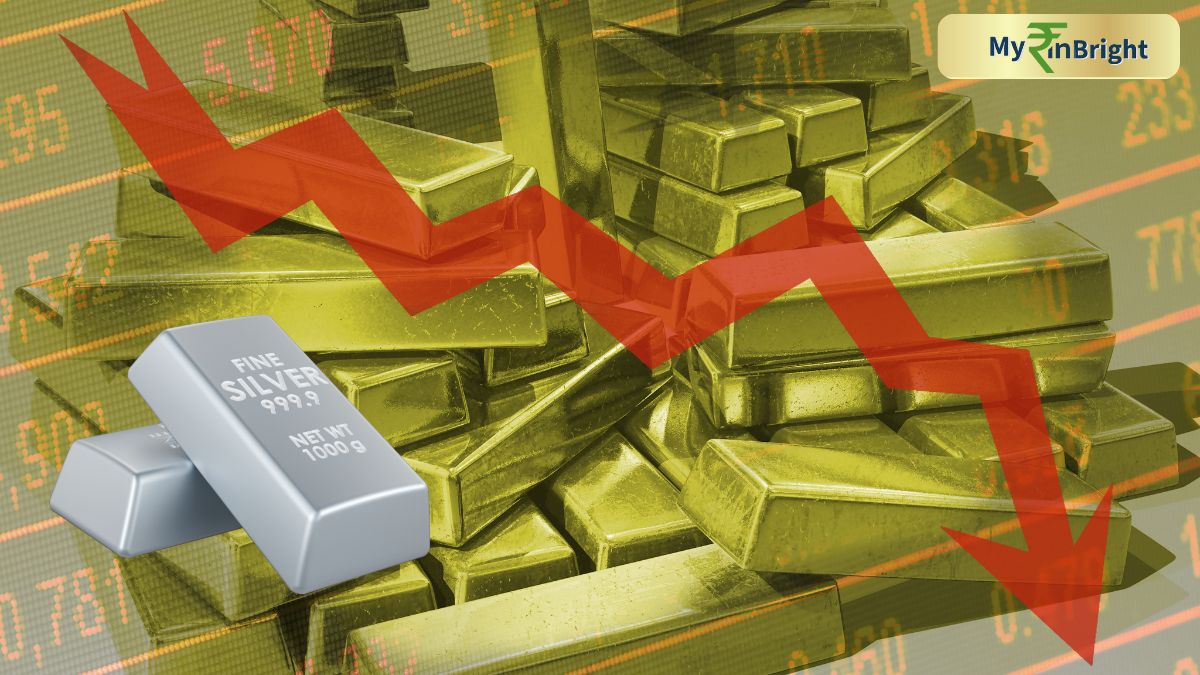
Silver prices roared back on the MCX as the white metal surpassed almost ₹6,000 from the lowest level ever at the time and once more reminded investors that the white metal is one of the most volatile commodities in the market. The sharp intraday bounce has re-started discussion between traders and long-term investors of the good or bad silver investment and whether or not there is still an opportunity to buy after gold had enjoyed such a rally over the past few weeks.
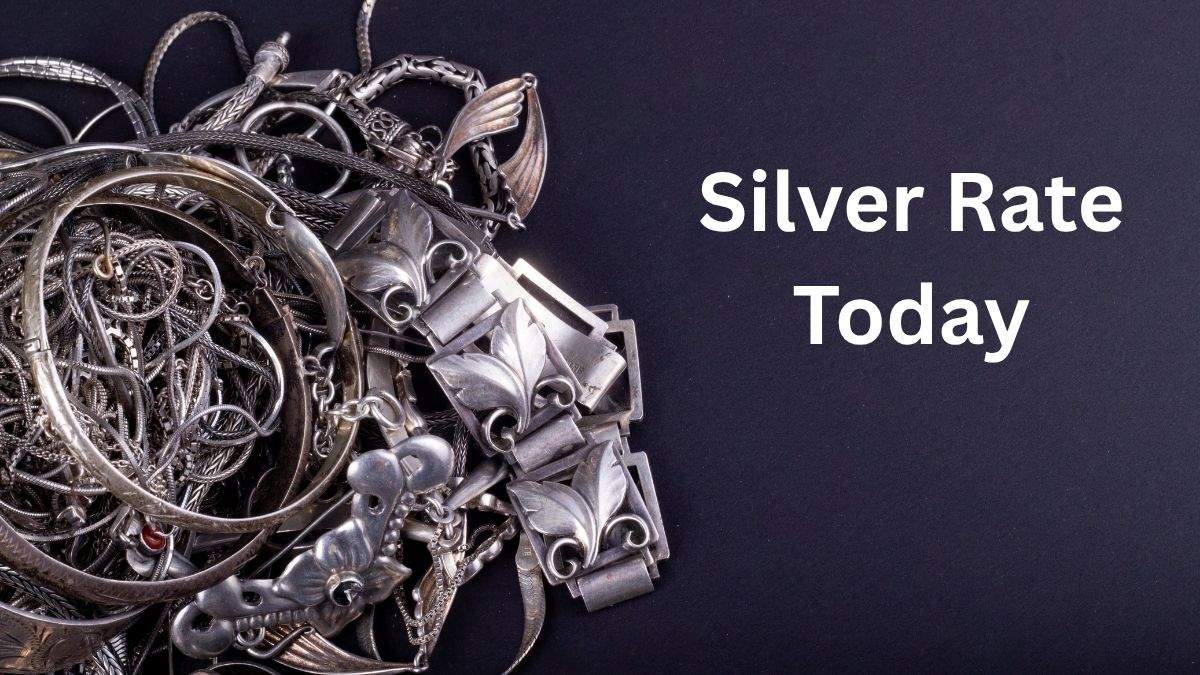
The current rally is a combination of global and domestic factors. Precious metals have been helped by a weaker U.S. dollar, expectations of future interest rate decisions by major central banks and mounting fears of inflation and fiscal deficits across major economies. These macroeconomic conditions are usually what have driven demand for gold and silver.
Silver, unlike gold, has a dual role as precious and industrial element. Demand from solar energy, electric vehicles, electronics and other technology sectors remains strong in the long run and silver prices have not come back down in spite of minor price swings. Supply constraints in some regions have also enhanced the bullish sentiment.
But silver’s greatest strength is also its greatest risk volatility. Silver often has bigger price swings than gold because of the small market size, and the uncertainty of economic growth expectations and investor sentiment in the market. Sharp intraday swings of a few thousand rupees/kg are not unusual in the current market.
The recent surge from the beginning of the day suggests that there will be buyers when prices have to take a big hit. In technical terms, silver is still in a broader bullish trend, but some profit-booking, for instance, might cause short-term pullbacks. The U.S. economy and Federal Reserve signals are particularly important for precious metal prices.
What Should Investors’ Strategy Be?
Long-term investors are looking to learn about the process by buying in a staggered manner, not lump-sum buying. Silver's long-term fundamentals are still on par with industrial demand growth and global economic uncertainty. In addition to keeping the majority of silver out of dollars, investors may hedge against inflation and currency weakness with some silver.
Short-term traders need to be disciplined and follow strict risk management practices. Because of the sharp intraday swings we have seen recently, stop-loss levels should be maintained and leverage should be kept low. The technical support and resistance levels should be monitored closely before starting fresh positions.
Investors would also be on the lookout for import duties, global growth and monetary policy changes. Market speculation about changes in import duties already impacts precious metal ETFs and domestic price trends. Any policy changes could add to it in the coming weeks.






Comments
Please to leave a comment on this article.