
State Bank of India (SBI) customers will also pay an additional charge for cash withdrawals under new fee structure which will take effect from October 1, 2026.
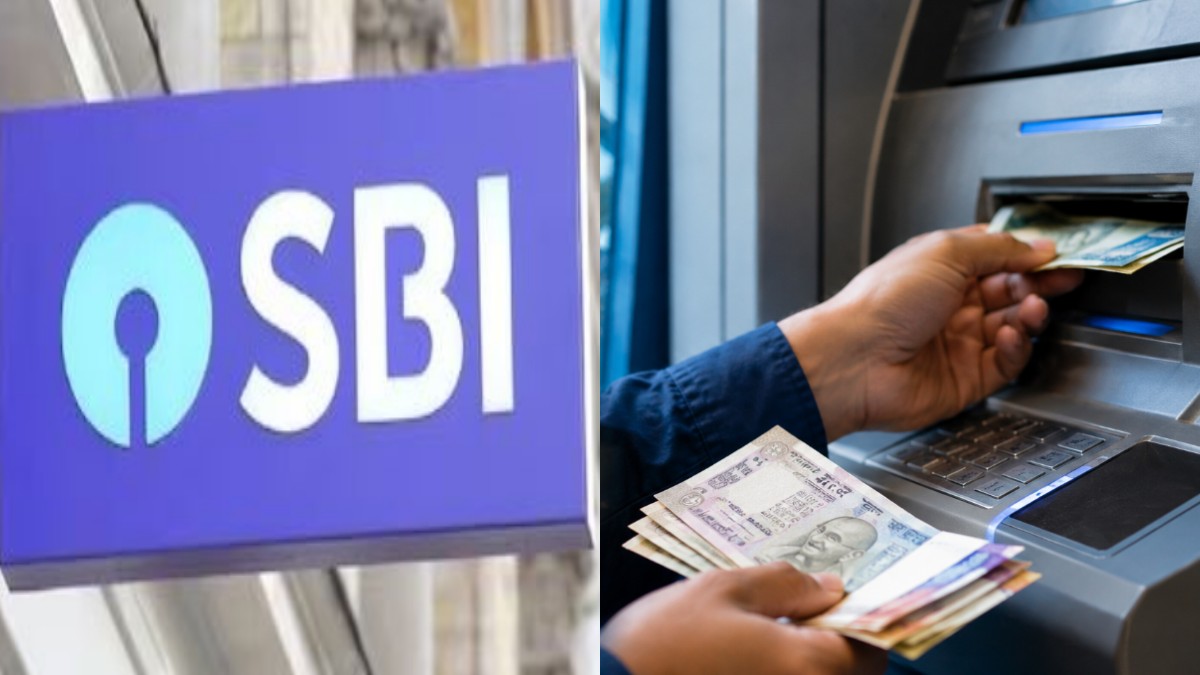
Under the proposed change, customers will still receive four free cash withdrawal transactions in one month and withdrawals beyond that limit will be charged ₹15 and GST. The move will affect customers who depend on cash transactions and often exceed the monthly free withdrawal threshold.
The new charge is all the more important because SBI has tens of millions of customers and has a large network of branches and ATMs.
For customers who prefer to use digital payments less, it may be less important. But people who make withdrawals weekly for their household, small business or local purchases or other purposes will have to record the number of withdrawals each month so they may not have to pay more in case of the future.
Under the reported structure, the first four eligible cash withdrawals in a month will be free subject to the customer account and transaction channel terms and conditions. If the free limit is exhausted, an additional cash withdrawal will incur a fee of ₹15, and GST as per the applicable GST. The actual amount debited from the customer's account would therefore be higher than ₹15 after the tax component is added.
This makes it clear that we need to be aware of the difference in number of transactions with how much money we’re actually receiving. Someone who makes a few small withdrawals will get to the monthly transaction limit faster than a less frequent user.
To say that he’s making a small withdrawal a few times during the month and then making a big one the next month will result in more transactions than making a small withdrawal for the planned expenses. Customers who use ATMs frequently should therefore be able to consolidate withdrawals where it makes sense.
It is also important to realize that bank charges are subject to the type of account, transaction channel and bank rules. The customer should review the latest SBI schedule of charges and terms applicable to their particular account before assuming that ₹15 fee applies to every cash withdrawal. There are different types of transactions and different limits and charges and bank policies may also differentiate between transactions conducted at SBI ATMs, other bank ATMs and branches.
If customers would like to avoid unnecessary charges, the easiest way to do this is to keep track of monthly cash withdrawals. And if you want to avoid the use of an ATM and the associated cash withdrawals, a customer is to keep track of ATM and cash transactions and monitor transactions at the ATM to keep you from becoming a cash-consuming user, you have the easiest way of getting to the four free-withdrawal threshold. People who frequently need cash can also plan withdrawals to get cash every month with the cash they will need to use in line with their monthly needs and not make thousands of small cash withdrawals.
The transformation has come as a part of a general shift in India’s banking system towards digital payments and better transaction systems. UPI, debit cards, internet banking and mobile banking are reducing the reliance on cash for most regular consumer transactions. Nevertheless, cash is still important for a lot of people, small businesses and consumers whose digital payment acceptance may not always be convenient.
The ₹15 fee might be small for the transaction in itself, but repeated charges can add up over time. One month’s chargeable withdrawals could bring an unexpected increase in banking expenses for a customer who has not been checking withdrawal limits and is not used to frequent ATM visits.
Customers should also be careful not to confuse the reported cash-withdrawal charge with the other ATM-related fees. Banks have separate rules for free ATM transactions, transactions at other banks' ATMs, cash withdrawals at branches and other services. The fee can depend on the nature of the transaction and account category.
It is therefore more important for SBI customers to review their account terms and the latest official schedule of charges before October 1, 2026. Most customers who never withdraw cash are unlikely to notice any difference and frequent cash users may want to change their withdrawal habits.
The ₹15-plus-GST charge, and the fact that four free cash withdrawals are being reported in total, is a reminder that banking transactions can add another cost in the event that monthly limits are reached. If customers plan on their cash requirements, track transactions and use digital payment options when appropriate, SBI customers can reduce the number of chargeable withdrawals and control their banking expenses more efficiently.






Comments
Please to leave a comment on this article.