
In early hours of the week, oil prices soared as direct military conflict between the United States and Iran resumed after several weeks of relative calm and renewed fears of oil-supply and shipping from the strategically vital Strait of Hormuz.
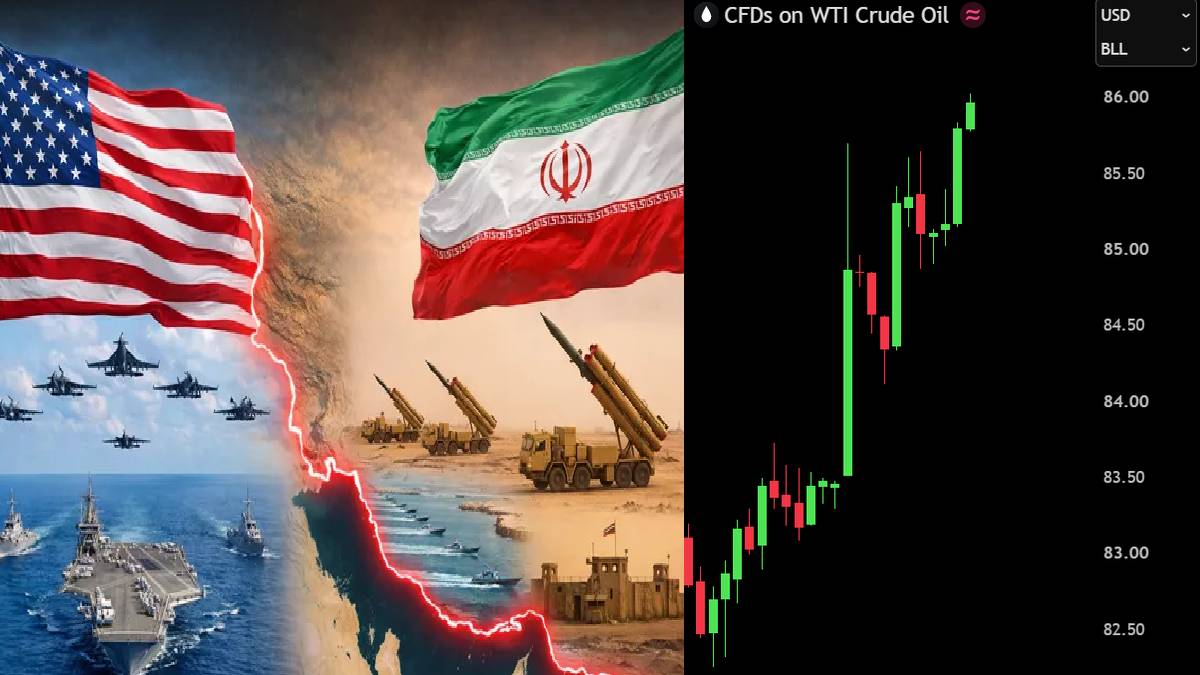
The latest escalation occurred as U.S. forces conducted strikes on Iranian rocket launchers on Larak Island in the Strait of Hormuz on Sunday. “These launchers were for an operation involving rockets and sea mines that could damage international shipping which is vital to the shipping through the canal,” U.S. Central Command said. Iran also launched missiles at American military bases in Jordan.
The new fighting rocked energy markets at once. Brent crude shot up sharply, rising to $90 a barrel early on and WTI (West Texas Intermediate) crude was up more than $85 a barrel. WTI had been on track to go as high as $86 and the oil market was up in a hurry to respond to the new geopolitical threat, for example.
The latest military exchanges were the first known direct U.S. strikes against Iran since late July ending a period of relative calm. That has raised the question of whether the war itself would threaten oil production, tanker movements and energy infrastructure across the Gulf.
Strait of Hormuz at the centre of oil market concerns
The Strait of Hormuz is a big concern for global energy markets. The narrow waterway is one of the world’s most important oil shipping routes, with a third of all crude oil and liquefied natural gas shipments passing through it in normal time (it’s nearly one-quarter of all crude oil and liquefied natural gas shipments and petroleum stocks). Permanent disruption would have a huge impact on global oil demand and prices.
The shipping activity has already been affected by the increased security. Reuters reported that visible commodity-vessel traffic through the Strait dropped significantly over the weekend, but the actual number of vessels might be higher because some ships have turned off their automatic identification systems.
The war comes after weeks of diplomatic and economic pressure to ease tensions. The market had hoped there might be talks about how shipping in the Strait might be improved. But a war has only revived doubts.
The oil market is experiencing fresh volatility. The month-on-month rise highlights just how much crude prices are linked to the Middle East’s situation. So far this year, oil prices have been volatile and traders are monitoring military activity, sanctions, shipping restrictions and diplomatic efforts between Washington and Tehran.
The conflict could escalate further if the conflict grows or if commercial shipping through the Strait of Hormuz is also limited by another economic chokepoint, the analysts say. Brent prices may remain elevated as traders weigh the extent and scale of the latest escalation, Reuters reported.
The situation will also have wider implications for the economy. Higher crude prices will drive transportation and manufacturing costs and inflationary pressures in oil-dependent countries. Central banks will be much more difficult to act if energy prices remain high for a long time.
And for major oil-consuming countries like India, the developments are especially important because a sustained increase in global crude prices can affect import costs, currency pressures, inflation and domestic fuel-price decisions.
Markets Watch Next Moves
Investors will be watching closely if the new US-Iran conflict is a smaller or more aggressive military escalation.
What is more immediate is whether Iran will try to act against shipping through the Strait of Hormuz again and if diplomatic channels can prevent a long-term disruption that could last into the next decade. The US has said it is prepared to protect international shipping, and Iran has repeatedly said it can challenge maritime activity in the region.
For now, oil markets are pricing in a higher geopolitical risk premium. Brent has moved back towards and above the $90-a-barrel mark and WTI has moved into the mid-$80s.
If there is still conflict, prices of crude could remain up. On the other hand, a credible ceasefire or agreement to guarantee safe passage through the Strait could ease the risk premium and push prices down.
With the conflict at its most volatile stage, global energy markets are likely to remain highly sensitive to every military and diplomatic development between the United States and Iran.






Comments
Please to leave a comment on this article.