
The government announced today that it will waive excise duty on certain types of ethanol-blended petrol, marking a significant and progressive step in the right direction aimed at promoting cleaner fuels and fostering a reduced reliance on conventional petrol.
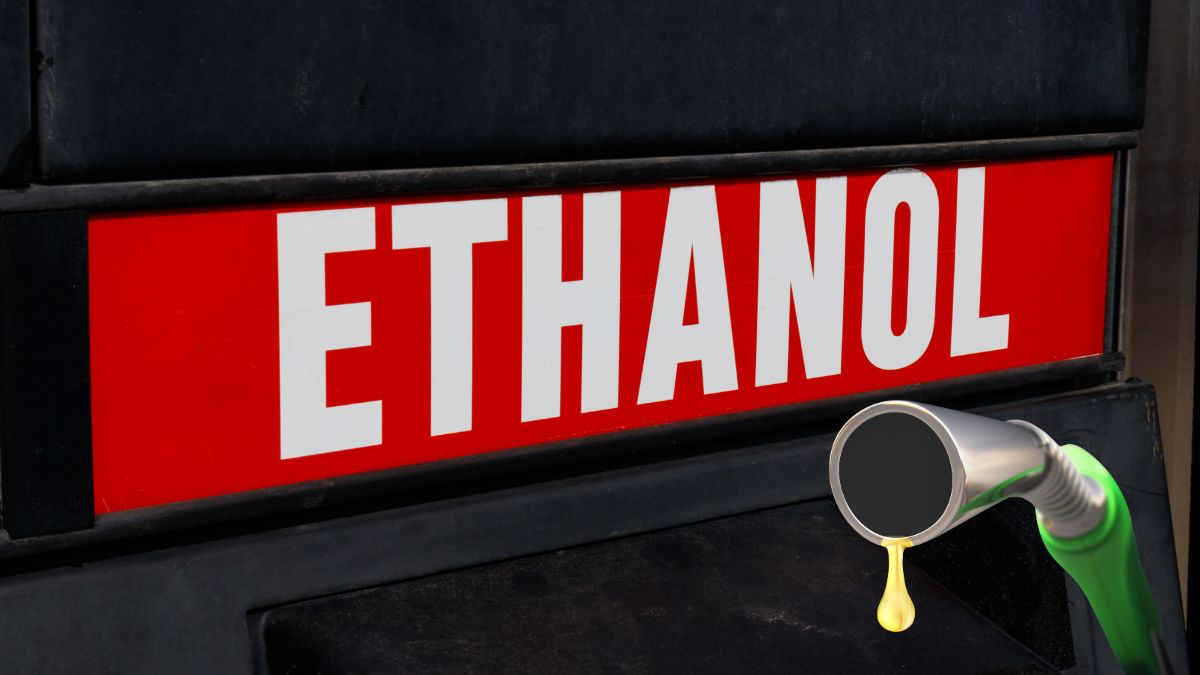
This initiative reflects a growing recognition of the need for sustainable energy solutions in the face of climate change and the environmental challenges associated with fossil fuel consumption.
A formal notification released by the finance ministry detailed that the duty exemption specifically applies to petrol that is manufactured using blends of E22, E25, E27, and E30, which represent various concentrations of ethanol mixed with petrol.
Ethanol, a renewable fuel that is primarily derived from agricultural sources such as sugarcane and other feedstocks, has been increasingly blended with petrol in recent years as part of a broader strategy to reduce carbon emissions and support the agricultural sector.
This blending not only serves to lower greenhouse gas emissions but also creates additional market demand for crops, thereby benefiting farmers across India. The excise duty waiver is expected to lead to a reduction in the retail price of ethanol-blended petrol, making it a more attractive option for consumers.
Government officials have indicated that this financial incentive will encourage oil marketing companies to expand both the production and distribution of these cleaner fuel alternatives.
By alleviating the tax burden associated with these fuel types, the government aims to accelerate the adoption of ethanol blends nationwide, with the hope of achieving significantly higher levels of ethanol blending in the future.
This move has been met with enthusiasm from industry experts, who have welcomed the decision as a critical measure that could effectively bridge the gap between supply and demand for ethanol-blended fuels. It is important to note that blending ethanol not only contributes to a reduction in greenhouse gases but also enhances the country's energy security by decreasing dependency on crude oil imports, which can be both volatile and expensive.
The excise duty waiver is poised to provide substantial support to the burgeoning ethanol industry in India, which has been experiencing robust growth and development in recent years.
For consumers, the prospect of cheaper ethanol-blended petrol could translate into lower fuel prices, particularly during a time when crude oil prices remain high on the global market. However, the successful implementation of this policy will hinge on several critical factors, including the readiness of the necessary infrastructure, the compatibility of vehicles with these new fuel blends, and the assurance of a consistent and reliable supply chain.






Comments
Please to leave a comment on this article.