
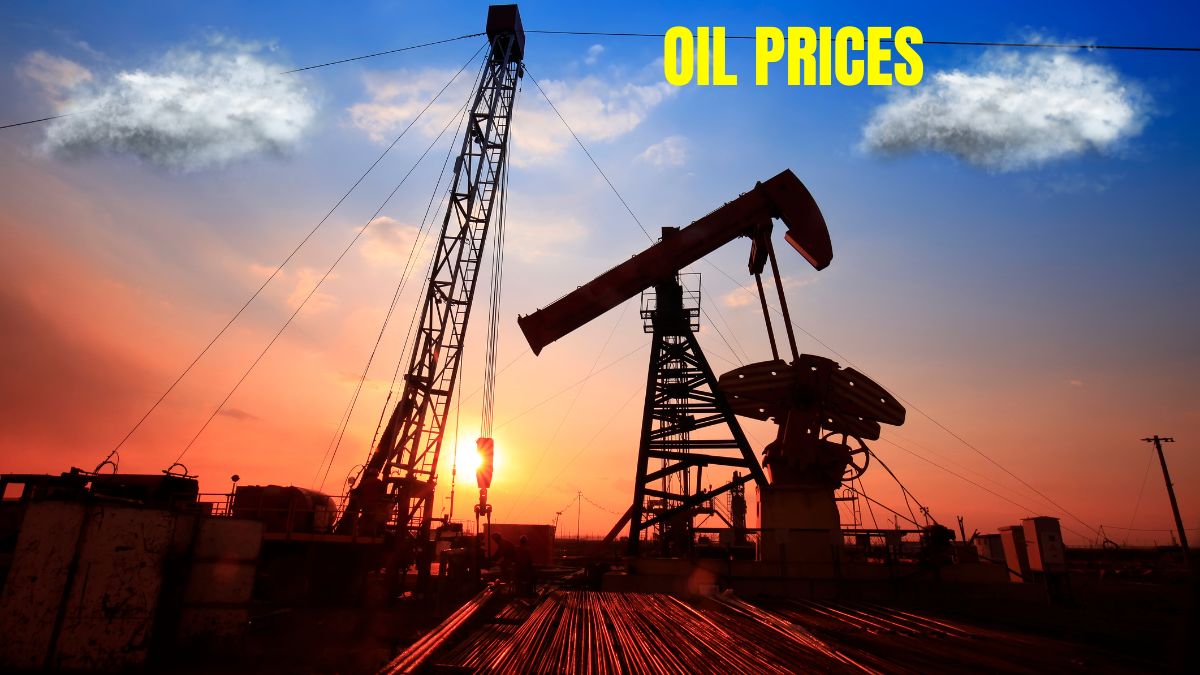
On June 11, 2026, oil prices soared as Brent crude jumped to $94 per barrel on June 11, 2026, as news of U.S. military strikes on multiple targets in Iran rose. The growing geopolitical tension has stoked fears of supply disruption in one of the world’s most vital energy markets.
The strikes, confirmed by defense officials, targeted Iranian military infrastructure and were seen as a response to recent hostile acts in the Middle East, the sources said. The timing of the attacks had a direct impact on world energy markets as traders priced in a risk premium on the price of oil and the risk premium on the markets because of fears of further instability, said analysts.
Brent crude futures rose sharply to $94 per barrel, with West Texas Intermediate (WTI) also up sharply on the news, as oil flows through the Strait of Hormuz were clouded. As much as 20 percent of global oil supply passes through this strategic chokepoint; a potential disruption would be a major concern for import-dependent countries.
The surge in prices comes at an already fragile time for global economies. Inflationary pressures remain high, and higher energy prices are putting central banks in a bind as they have to weigh inflationary pressures from higher energy costs with price pressures on monetary policy decisions. In India, China, and other Asian countries, the increase in crude prices threatens to widen trade deficits, and the cost of fuel in India and oil prices for domestic fuel can be exacerbated by growing domestic fuel costs.

The geopolitical blow-up has also raised questions about OPEC+ strategy. With production cuts already in place, the alliance has little spare capacity to ease markets. Saudi Arabia and Russia, two of the key members of the group, have so far shown little appetite to boost output, in favor of a higher price to shore up state revenues.
Finally, the U.S. strikes in Iran have pushed oil prices to new highs, indicating that the balance between geopolitics and energy economics is thin. Brent crude prices now trade at a high of $94 per barrel, and the last few days will have to decide whether there is going to be more violence or diplomatic resolve to calm markets. Consumers and policymakers alike know that energy costs continue to dominate the global economy.









Comments
Please to leave a comment on this article.