
U.S. crude inventories have fallen to the equivalent of about 41 days of supply, an extremely thin buffer for the world's biggest oil-producing economy. That is in view of the mounting pressure on global energy markets and has raised fears about how much protection remains if another major supply disruption occurs.
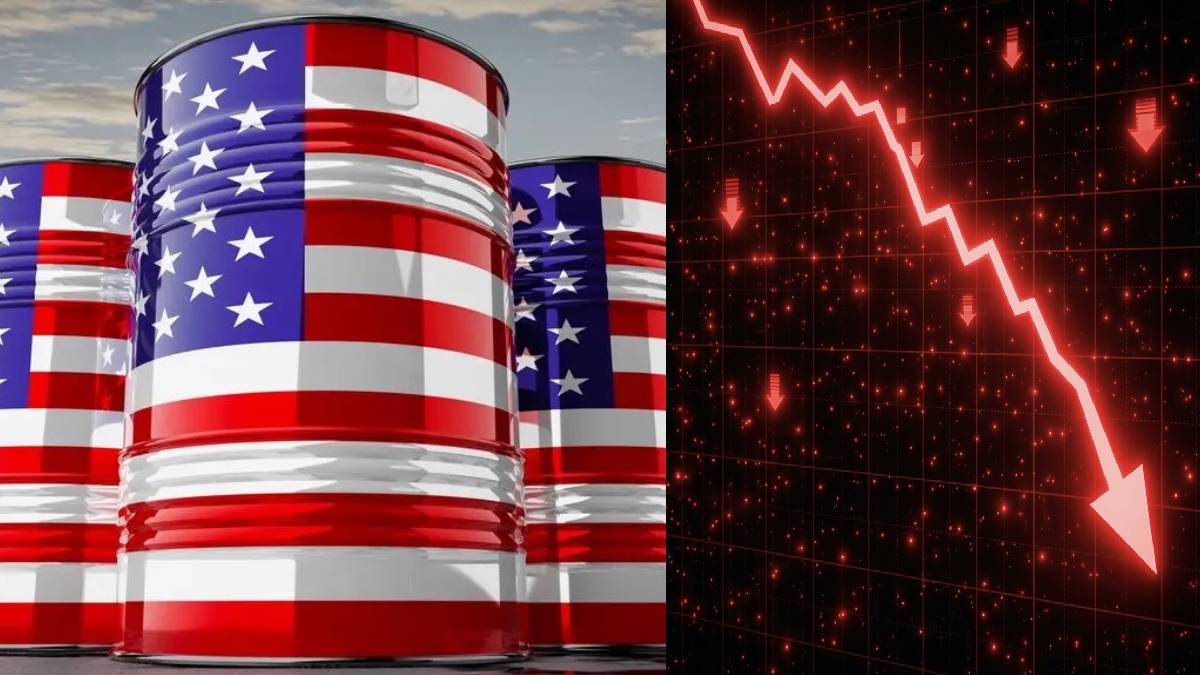
The 41-day figure has received much attention because oil inventories are a vital buffer between production, imports and consumption. When stockpiles fall sharply, markets are far more sensitive to the disruption of oil production, transportation or refining.
The situation is particularly dire given the global supply shock that has rocked energy markets this year. The closure of the Strait of Hormuz and Middle Eastern production disasters have disrupted much of the crude supply and the United States has ramped up production at refineries and exports to plug shortages elsewhere. U.S. refineries have been running well more than 95% of capacity for more than 11 consecutive weeks, the highest in over 25 years.
But the 41-day figure should be taken very carefully. It is inventory versus consumption and does not mean that the United States would literally run out of oil in 41 days. Domestic production, imports, exports, refinery operations and the Strategic Petroleum Reserve all impact the country’s actual supply position.
The U.S. crude inventories have been volatile recently. Commercial crude stocks went up 4.4 million barrels to 428.8 million barrels in the week ending August 14, the Energy Information Administration said. Refinery utilization was 97.2% and average production at U.S. crude plants was about 13.83 million barrels per day.
That recently increased inventory followed years of very large drawdowns. Reuters reported in June that total U.S. crude inventories, including commercial stocks and the Strategic Petroleum Reserve, fell to their lowest level since 1985 after a major weekly decline.
The tight inventory environment matters because refineries need a steady flow of crude to produce gasoline, diesel, jet fuel and other petroleum products. With U.S. refineries operating at extremely high utilization rates, there is less room for unexpected disruptions at individual facilities.
A sudden refinery outage, pipeline problems, shipping disruption or a further decline in global crude production could have a greater impact when inventories are relatively constrained.
It is the same thing with oil prices. Lower inventories are generally good for crude prices because traders value the most readily available barrels. A smaller inventory buffer can add to price volatility and if the supply problems persist and demand remains strong, prices can get very unstable.
The U.S. Energy Information Administration believes global oil inventories will remain under pressure on the horizon. In its second quarter of 2026, global inventories fell by an average of 4.2 million barrels per day and may drop another 3.8 million barrels per day in the third quarter of 2026, it said in its outlook.
But at the same time, the United States still has big advantages. It is still the world's largest crude producer and domestic production is a major source of supply. The Strategic Petroleum Reserve also offers an additional emergency buffer but releases from the reserve have reduced its available stock compared to the previously available stock.
The key question for markets isn’t just how many days of crude are physically stored in the United States, but how quickly inventories can be replenished if consumption continues at elevated levels and global supplies remain disrupted.
The 41-day supply buffer thus has become another warning signal for the energy market. It shows how high refinery utilization, strong fuel demand and worldwide supply disruptions can put pressure on inventories.
If international oil flows normalize and disrupted production returns, inventory levels could slowly recover. Most shut-in global oil production should be largely restored during the first quarter of 2027, EIA expects, and that would alleviate pressure on inventories and prices.
But until then, the energy markets are likely to remain very sensitive to changes in U.S. stockpiles, refinery operations and global crude flows.
If the world is tighter, consumers will see gasoline prices rise, diesel prices go up, and other fuels become more volatile. Investors will need to monitor inventory to gauge if the global oil market is on the verge of a deeper supply squeeze or a recovery and the market will eventually start to adjust to be more stable.
The 41-day figure is therefore less a countdown to an oil shortage than a measure of how thin the current cushion has become—and why every additional disruption could have an outsized impact on global energy markets.






Comments
Please to leave a comment on this article.