
A further 10% rally in gold prices could have a big impact on Indian household wealth, adding about $400 billion to gold owners’ wealth and unlocking another $20-25 billion of gold-backed loans, Jefferies said.
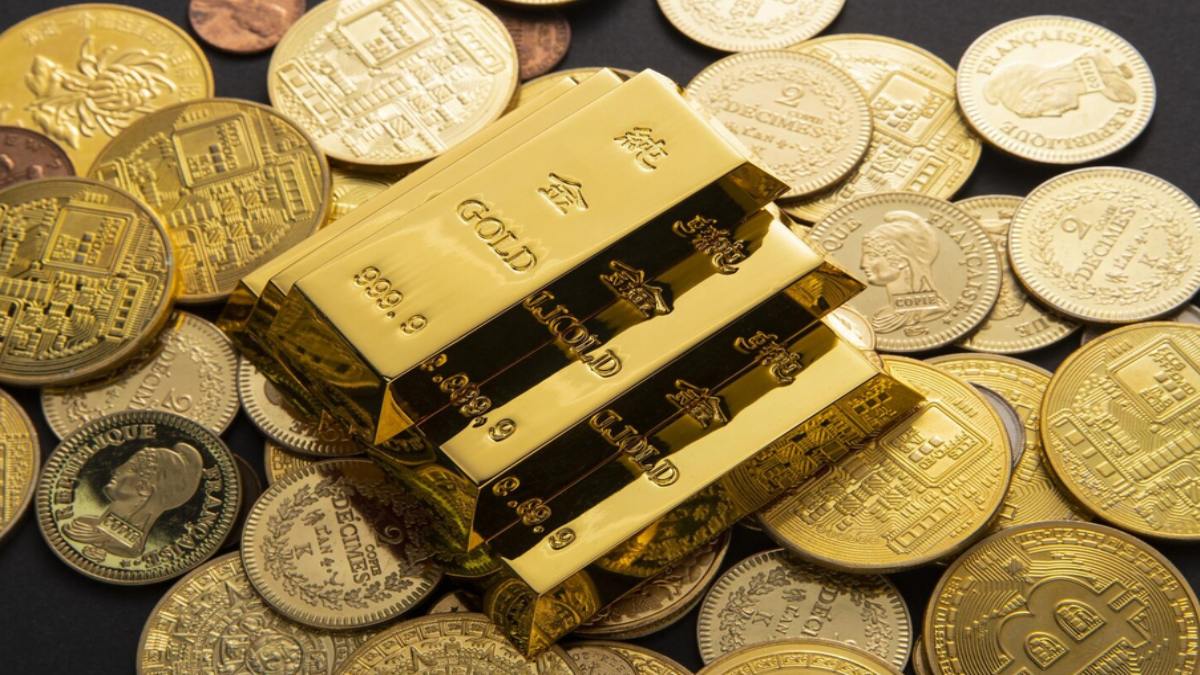
The brokerage’s assessment underscores the larger economic significance of India’s vast household gold stocks and suggests that a continued rise in gold could strengthen consumption and open investment opportunities in financial firms, jewellers and commodity-market plays.
Gold is in an unusual position in Indian households the precious metal is held as an investment but also as jewellery and as a source of financial security. Millions of households own gold accumulated over generations, so how the price of gold moves is important outside the traditional investment markets. When prices rise, the value of these assets increases, thus strengthening household balance sheets even if families do not sell their gold.
By the Jefferies assessment, the 10% increase in gold prices would translate to almost $400 billion in additional household wealth. A substantial wealth impact for Indian consumers would result from this increase in gold prices. The higher value of household gold could enhance families’ financial position and in turn might encourage spending, investing or borrowing on gold held in the family account.
Gold-backed lending is one of the most important channels through which rising gold prices could affect the broader economy. Gold loans allow households to pledge their gold as collateral and get funds without selling the underlying asset. With gold becoming more valuable, borrowers may be able to access larger amounts of credit against the same quantity of metal. Jefferies estimates that another $20-25 billion in gold-backed loans could potentially be unlocked if the precious metal experiences another 10% rally.
Gold-backed lending could be particularly important for financial institutions in the gold-loan business. Higher gold values will increase the collateral available to borrowers and possibly accelerate lending growth for lenders with significant exposure to gold loans. This creates a potential investment theme for financiers who have established gold loan businesses and the infrastructure required to handle secured lending.
The impact might go beyond financial companies. Jewellers are also an integral part of the gold culture and could benefit from more money in the bank and continued demand for gold. Gold prices increase can have different impacts on jewellery demand in a way that is not so good for the demand for new gold because new gold will be more expensive. But households who hold existing gold will feel richer, and consumers can exchange old gold for new gold through existing gold buying and exchange channels.
The potential consumption effect pointed out by Jefferies is, therefore, part of the broader picture. If gold prices are rising and household wealth is rising and families have more access to credit, consumers might use the extra money to consume or pay for other items. Gold may therefore also have an indirect impact on economic activity by the balance sheet effect of higher asset prices.
However, the relationship between gold prices and consumer spending is not necessarily straightforward. Households could store their gold as a long-term store of value rather than monetise the rise in its market price. Similarly, borrowers who take gold-backed loans must eventually repay the credit, so the extra liquidity is not permanent income.
It also creates opportunities for investors tracking companies connected with the gold ecosystem. Financial institutions with gold-backed lending could attract interest if loan growth accelerates. Jewellery companies might also be under a microscope as investors weigh the effect of gold prices on margins, demand and inventory valuations. Commodity traders may also benefit from a greater amount of trading activity and continued investor interest in gold.
Gold is even more important culturally and economically in India. The metal is associated with weddings, festivals, family wealth and investors use it as a diversification tool for their portfolio. With an uncertain world, it is more likely that investors will have an appetite for gold as it is seen as a store of value. That cultural demand and financial demand will be very much intertwined in India's gold market.
The possibility of another 10% rally also emphasizes the importance of understanding the broader effects of high gold prices. For households, it could mean a big increase in the value of existing holdings. For lenders, it could expand the collateral base for gold loans. For jewellers, it might affect inventory values and consumer behaviour. For investors, the trend could create opportunities across several parts of the gold-related ecosystem.
At the same time, investors need to distinguish between rising asset values and realized gains. A household might see the value of its gold holdings rise, but not receive cash unless it sells the asset or borrows against it. And companies in the gold space remain exposed to changes in demand, interest rates, credit conditions and commodity price fluctuations.
But Jefferies' projection is a great example of how a simple rise in gold price can have far-reaching implications that go beyond bullion markets. With many Indian households owning large quantities of gold, changes in gold prices can affect wealth, borrowing capacity, consumption and business prospects. If gold prices rise another 10%, then the wealth effect might be an important one for India's financial and consumer markets, while keeping financiers, jewellers and commodity-related companies firmly on investors' radar.






Comments
Please to leave a comment on this article.